
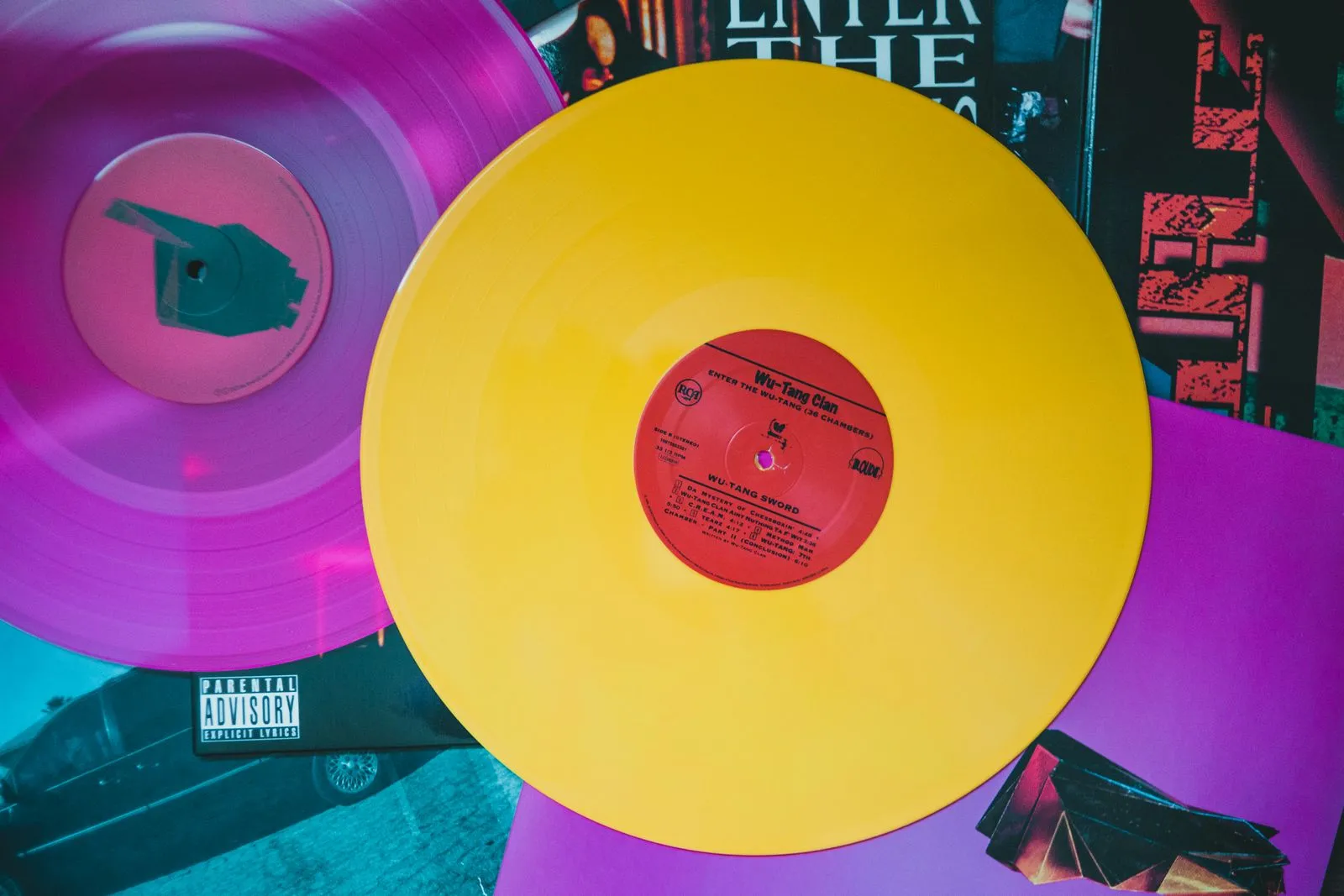
A used record can look appealing in its sleeve and still have problems that affect playback. Before buying, check the vinyl under good light, look over the jacket and inner sleeve, and ask whether you can hear the record. These steps help you spot damage, understand normal wear, and decide if the condition matches the price. A careful inspection is especially useful when you’re buying a record you can’t easily replace.
Inspect the Vinyl Surface
Hold the record by its edges and center label, then tilt it under a bright light. Look for scratches, scuffs, stains, and cloudy patches. Fine, shallow marks may be cosmetic, but deep scratches can cause clicks, pops, or skipping. Check both sides and pay close attention to the grooves near the beginning and end of each side, where damage can be easy to miss.
Check that the record lies flat by viewing it at eye level or spinning it on a turntable if the shop allows. A slight wobble may affect playback, while a visibly warped record can be difficult or impossible to track reliably. Avoid touching the grooves, and don’t try to clean a record with a tissue or clothing. Ask the seller about the shop’s cleaning process if dust or residue is present.
Check the Sleeve and Labels
Examine the jacket for split seams, water damage, mold, heavy ring wear, and writing. Look inside for a suitable inner sleeve; paper sleeves can hold dust and may have rough edges that scratch the record during removal. A replacement inner sleeve is useful, but it doesn’t correct damage already on the vinyl.
Confirm that the record matches the jacket. Compare the artist, title, track listing, and label information, and check that the disc is the right format and number of records. If the release has inserts, posters, or other extras, ask whether they are included. Missing packaging may matter less for listening than for collecting, but it can affect what the record is worth to you.
Listen Before You Buy
If listening is available, ask to hear a section from each side, especially any visibly marked area. Listen for repeated clicks, loud pops, distortion, or skips. A brief test cannot guarantee that every track plays perfectly, but it can reveal problems that a visual inspection misses. Keep the volume at a comfortable level so you can hear surface noise without mistaking it for part of the music.
Ask whether the record has been play-graded, meaning someone listened to it and assessed its playback, or only visually graded. Grading terms can vary between sellers, so request a plain-language description of the flaws and return policy. If you cannot test the record, weigh that uncertainty against the condition shown, the seller’s assurances, and your willingness to accept some playback noise.
Match Condition to Your Plans
Decide what matters most before you buy. If you want a record for frequent listening, prioritize clean playback and a flat disc over a pristine jacket. If you collect specific pressings or want a complete package, verify the edition, labels, inserts, and sleeve details. A record with visible wear may still suit casual listening, but only if its condition fits your expectations.
When shopping at North Shore Sounds in Evanston, ask staff to clarify the condition and whether a listening test is possible. Take a moment to compare the record with your own standards rather than relying on a grade alone. If a flaw is unclear, ask about it before checkout and confirm what options you have if playback differs from the description.
A few careful checks can help you avoid surprises: inspect both sides of the vinyl, review the sleeve and included materials, and listen when possible. Consider how you plan to use the record, then decide whether its condition works for your collection. If you’re unsure, ask the seller to explain the grading and available return options before buying.